Postoperative Care and Management
Comprehensive guide to postoperative care, rehabilitation, and recovery after hand surgery.
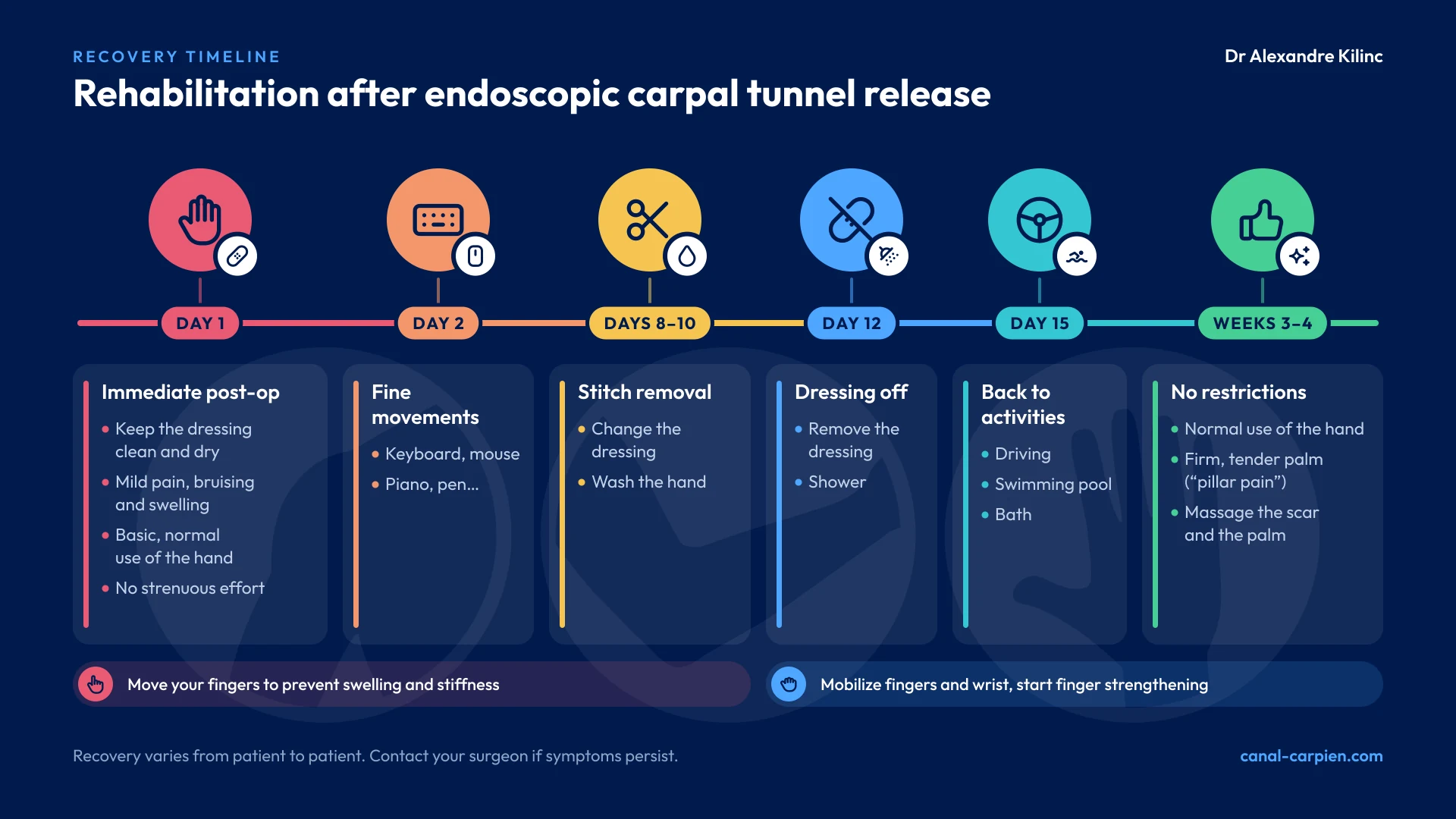
Recovery Timeline
Immediate Postoperative Period (0-48 hours)
Rest, elevation of the hand, and pain management. Keep the dressing clean and dry.
Early Recovery Phase (Week 1-2)
Suture removal around day 12-15. Gentle active mobilization of the fingers begins.
After 3 to 4 weeks
Progressive physical therapy, scar massage, and gradual return to light daily activities.
Activities and Mobilization
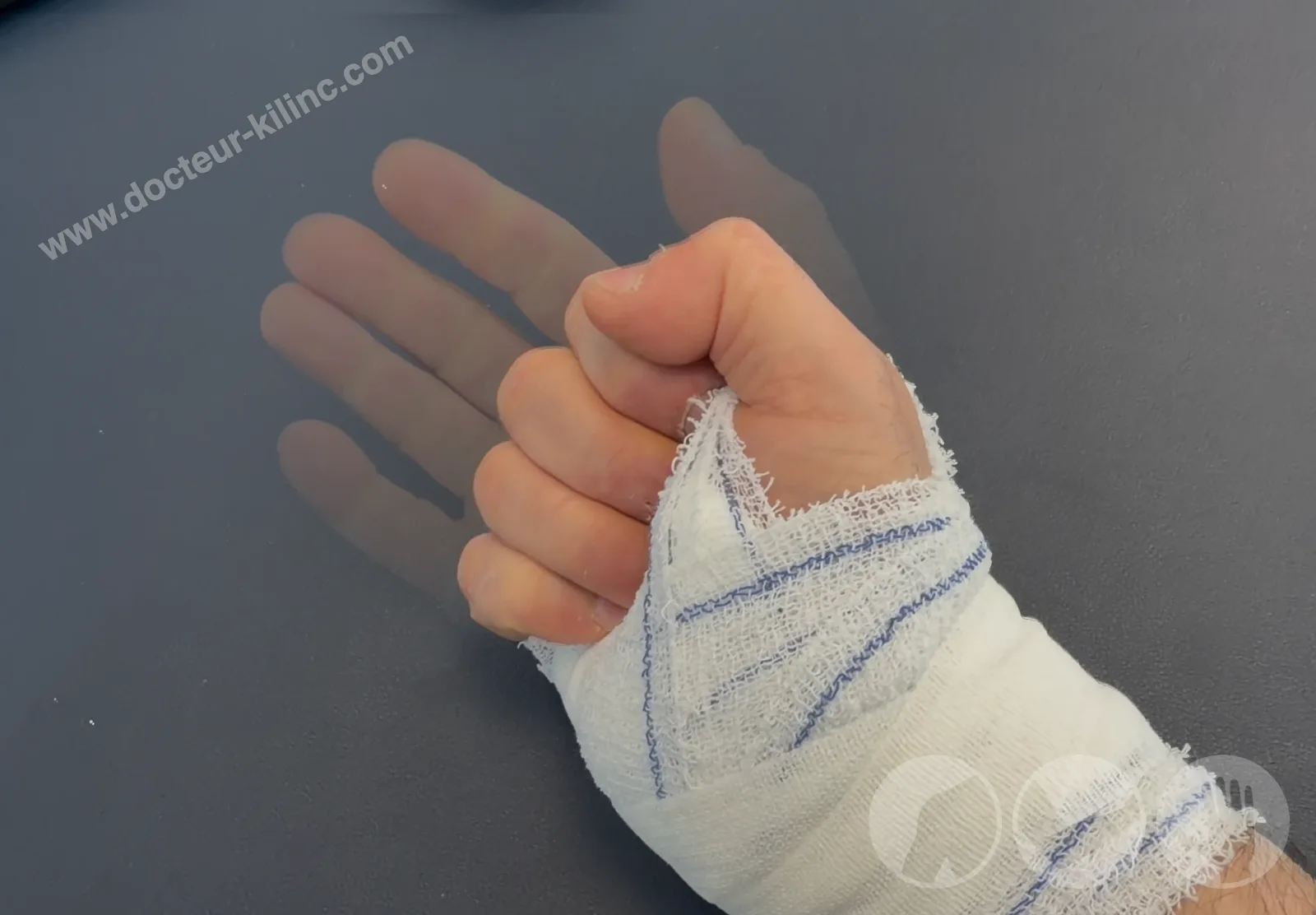
- •Gentle active range of motion (AROM) exercises for the fingers should start immediately to prevent stiffness.
- •Avoid heavy lifting, forceful gripping, or repetitive movements for the first 4-6 weeks.
- •Keep the hand elevated above heart level when resting to minimize edema (swelling).
Pain Management
Nighttime awakenings typically resolve within the first few days. Mild pain around the incision and the palm is normal for a few weeks. The resolution of numbness and tingling (paresthesia) may be slower (2 to 6 months), especially in severe cases.
Simple analgesics (acetaminophen and NSAIDs) are prescribed for the first few days. The procedure is generally associated with minimal postoperative pain. Vitamin C may be prescribed for one month perioperatively to reduce the risk of Complex Regional Pain Syndrome (CRPS).
Mobilization and Massage
Self-rehabilitation and advice for the first 15 days after endoscopic carpal tunnel surgery
Self-rehabilitation and advice after day 15 following endoscopic carpal tunnel surgery
Rehabilitation: the essentials
Most often, self-directed
Simple finger and wrist exercises without force, taught once then done at home 2–3 times a day, alongside the night splint.
Supervised physio if needed
In case of stiffness, complex regional pain syndrome, residual motor deficit or an associated surgical procedure.
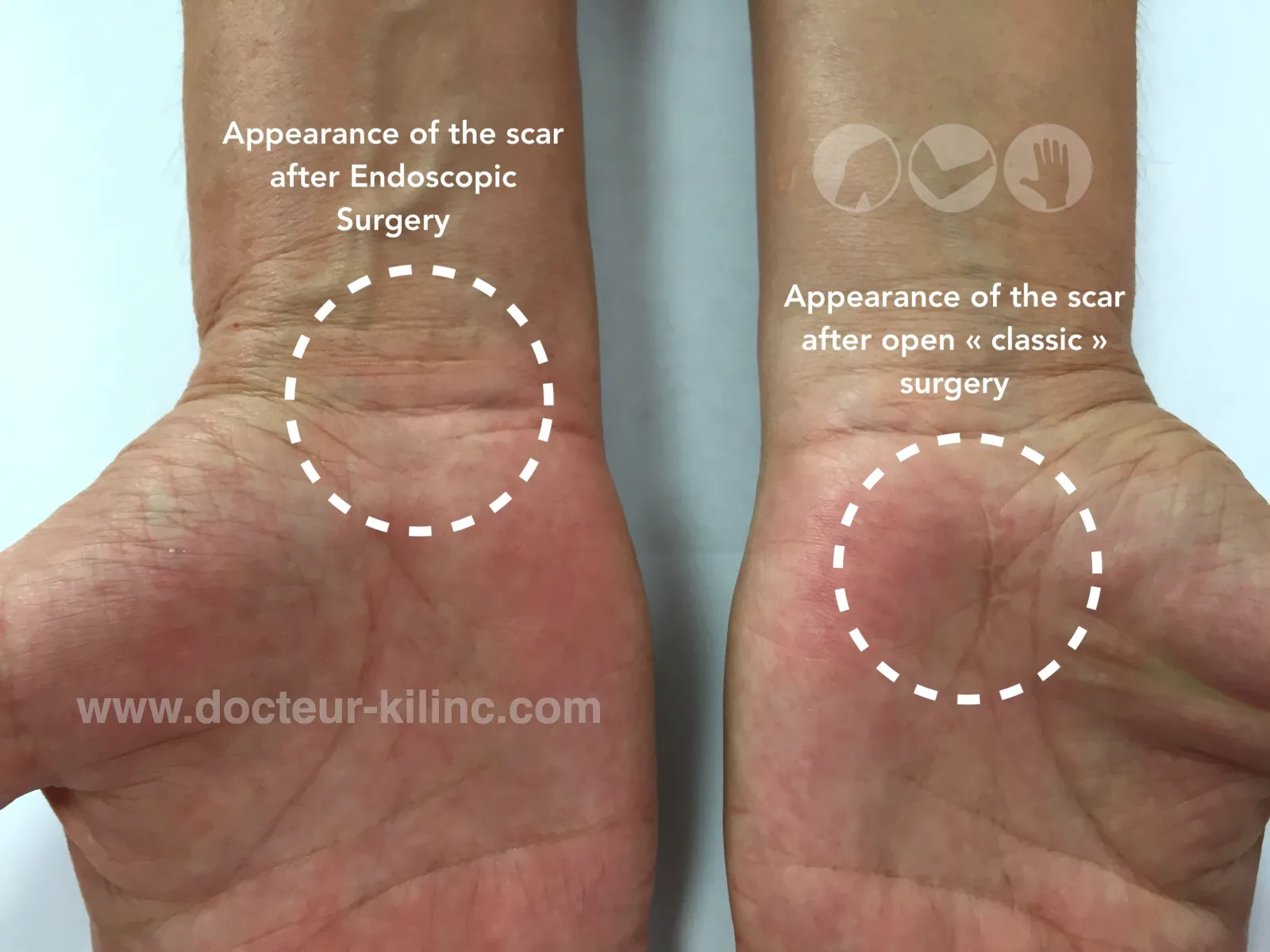
Scar Appearance
Scar appearance after mini-invasive endoscopic surgery. Initially slightly red, it quickly becomes fine and barely visible; it is important to massage it, keep it hydrated, and mobilize it from the deep plane. Classic 'open' surgery leaves a much more visible scar.
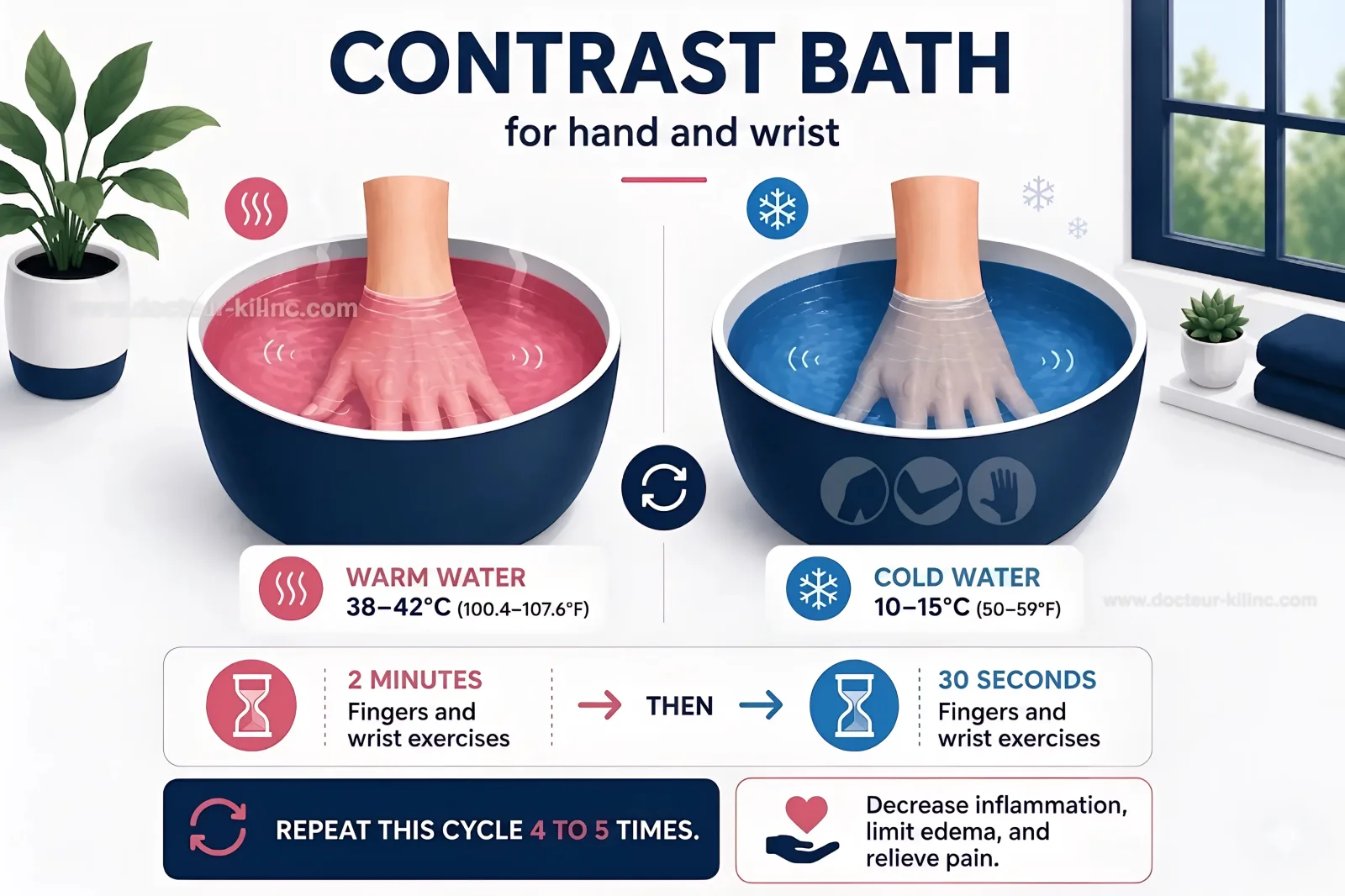
Contrast Bath (Scottish Baths) for Hand and Wrist
Principle
Contrast bath therapy (Scottish baths) involves alternating the immersion of the hand and wrist in hot and cold water. This alternation creates vasodilation (from heat) followed by vasoconstriction (from cold), acting as a natural "vascular pump" that stimulates blood circulation, reduces edema, and relieves pain.
Evolution & Potential Complications
While complications are rare, it is important to be aware of the signs and symptoms that require medical attention.
Pillar Pain Syndrome
Pillar pain is characterized by tenderness and aching at the base of the palm. The surrounding area may feel firm and uncomfortable. This is a common and benign postoperative occurrence that typically resolves spontaneously within 2 to 6 months. The maximum firmness is often noted around the second postoperative month.
Typical course of the syndrome
Progressive onset with a peak of firmness at the 2nd month, followed by a spontaneous and complete resolution.
intensity
resolution
Symptoms
- •Pain at the base of the palm
- •Tenderness upon direct pressure
- •Decreased grip strength
Treatment
- •Hand therapy and scar massage
- •Simple analgesics
- •Lidocaine patches for local desensitization
- •Non-steroidal anti-inflammatory drugs (NSAIDs) if necessary
Prevention
- •Early mobilization
- •Avoid heavy pressure on the palm
- •Gradual return to weight-bearing activities
Complex Regional Pain Syndrome (CRPS)
CRPS (formerly known as Reflex Sympathetic Dystrophy or Algoneurodystrophy) is a rare but significant complication characterized by pain, swelling, and stiffness that are disproportionate to the surgical trauma.
Symptoms
- •Severe, burning pain
- •Significant swelling and stiffness
- •Changes in skin color and temperature
- •Hypersensitivity to touch
Treatment
- •Early multidisciplinary management
- •Specific pain medications
- •Gentle, pain-free hand therapy
- •Psychological support if needed
Prevention
- •Vitamin C supplementation
- •Adequate pain control
- •Anxiety management
Warning Signs & Emergencies
All surgical procedures carry inherent risks, including hematoma, infection, persistent pain, and adverse drug reactions. It is crucial to contact us promptly if you observe any of the following warning signs:
Fever above 38°C (100.4°F)
Increasing redness, localized warmth, or purulent discharge from the incision
Severe, escalating pain not relieved by prescribed analgesics
Sudden excessive swelling or signs of vascular compromise (e.g., pale or unusually cold fingers)
Carpal Tunnel Syndrome Recurrence
Recurrence of carpal tunnel syndrome after surgical release is relatively rare, but significantly more frequent following conservative medical management.
Three Distinct Clinical Scenarios
The reappearance of symptoms after a substantial period of complete relief.
Persistence or immediate worsening of symptoms despite surgical intervention.
Often related to severe initial nerve damage. Surgery halts progression but cannot fully reverse existing damage.
Main Causes of Recurrence
Incomplete release
Insufficient transection of the transverse carpal ligament.
Perineural fibrosis
Development of dense scar tissue around the median nerve.
Recurrent tenosynovitis
Persistent inflammation of the flexor tendon sheaths.
Anatomical variations
Unidentified anatomical anomalies during the primary procedure.
Management Strategy
Specialized Consultation & EMG
Required to confirm recurrence and assess current nerve function.
Additional Imaging
High-resolution ultrasound or MRI to identify specific anatomical causes.
Initial Conservative Trial
Diagnostic and therapeutic corticosteroid injection and splinting.
Revision Surgery
May involve neurolysis (freeing the nerve) and complete ligament resection.
Frequently Asked Questions — Post-operative Care
All your questions about recovery after carpal tunnel surgery, organised by stage of convalescence.