Trigger Finger: Causes, Injection and Surgery

Comprehensive information on trigger finger: symptoms, causes, link with diabetes, diagnosis and treatment by injection or surgery.

What is trigger finger?

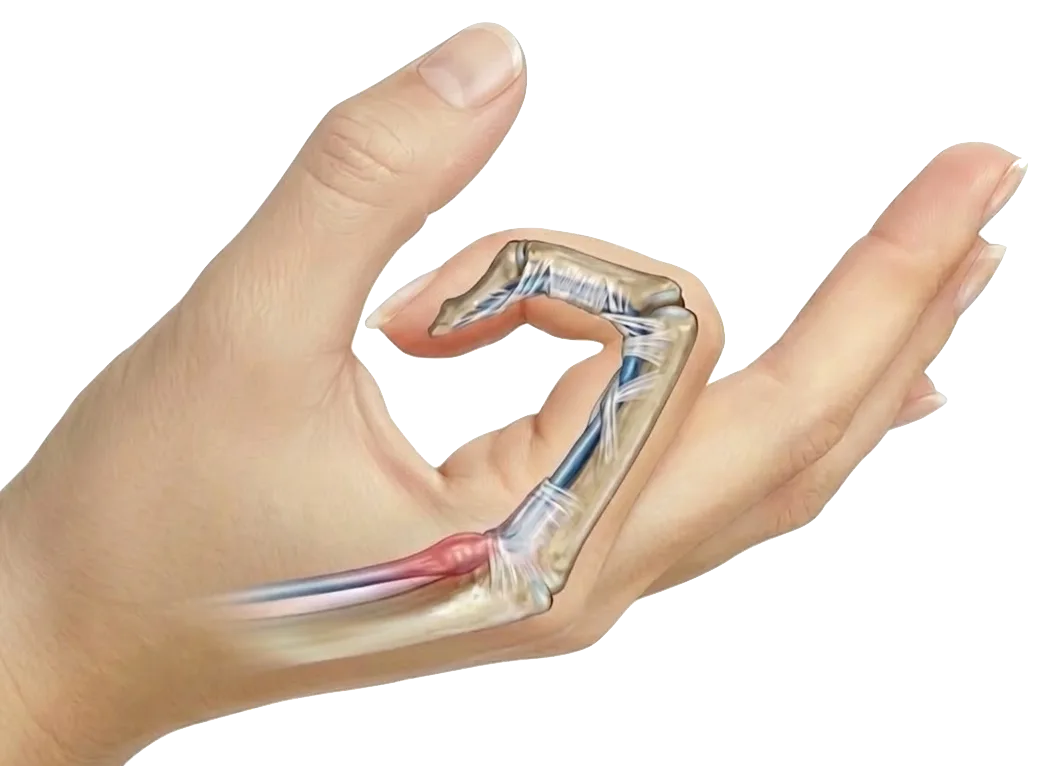
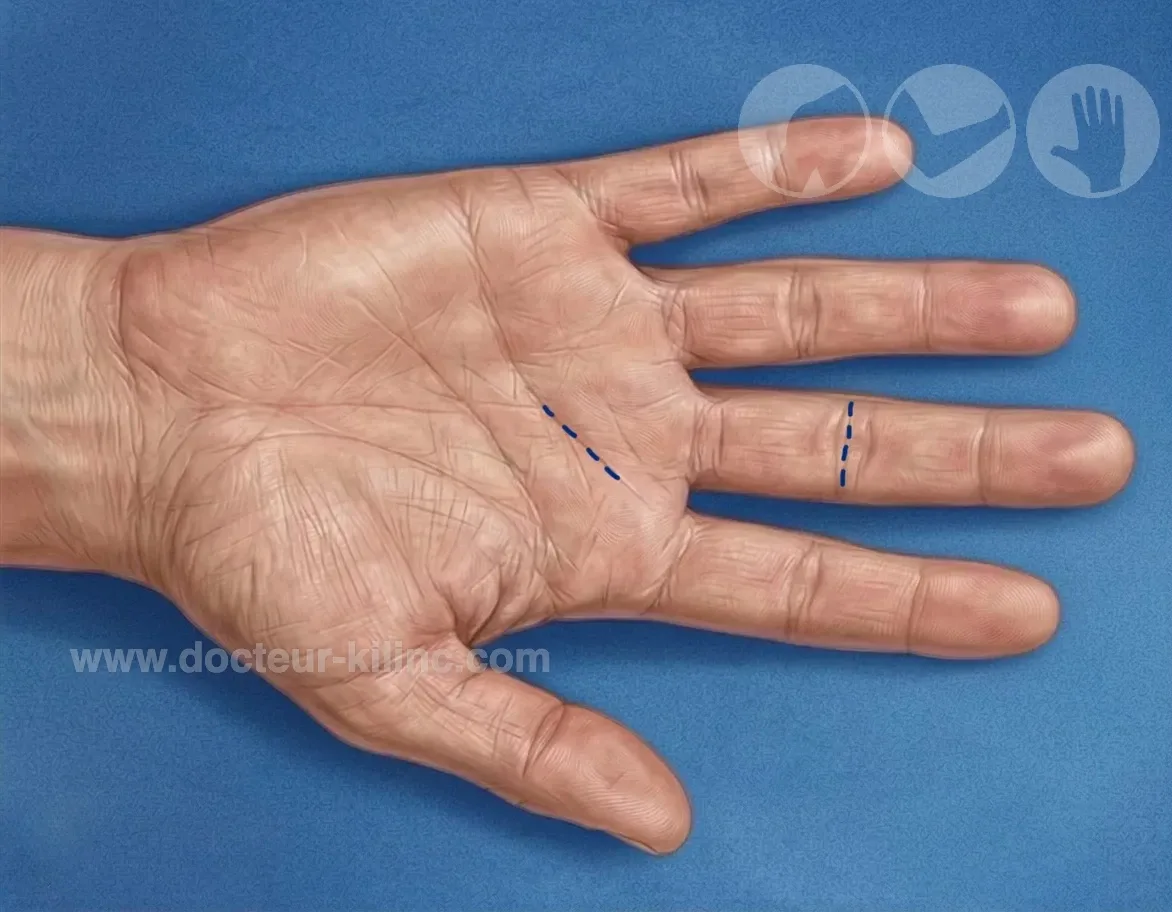
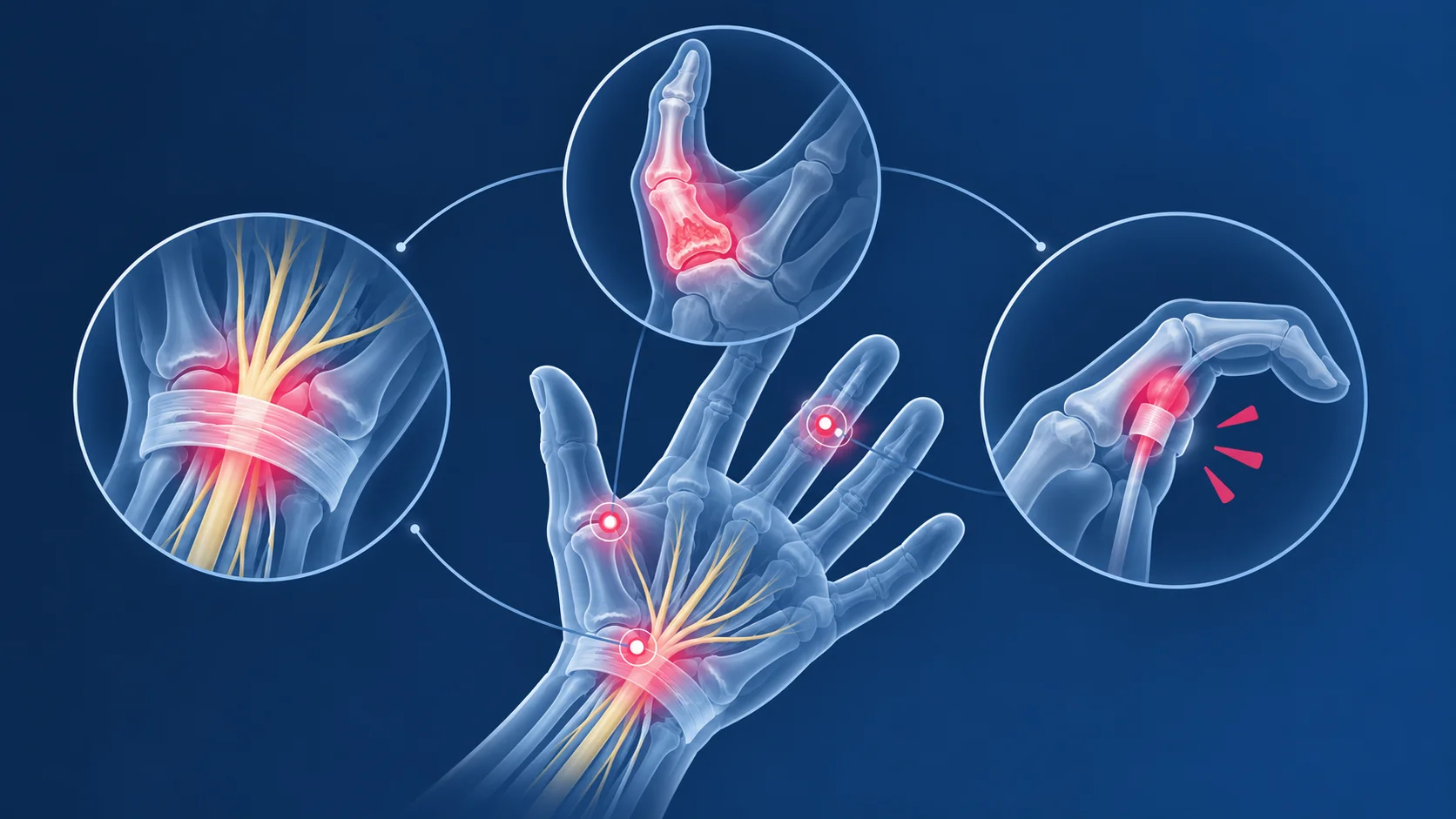
Trigger finger (or stenosing tenosynovitis) is a common condition characterised by painful locking of a finger in the flexed position. It is caused by inflammation and thickening of the flexor tendon sheath, which can no longer glide smoothly through its first annular pulley (A1 pulley) at the base of the finger.

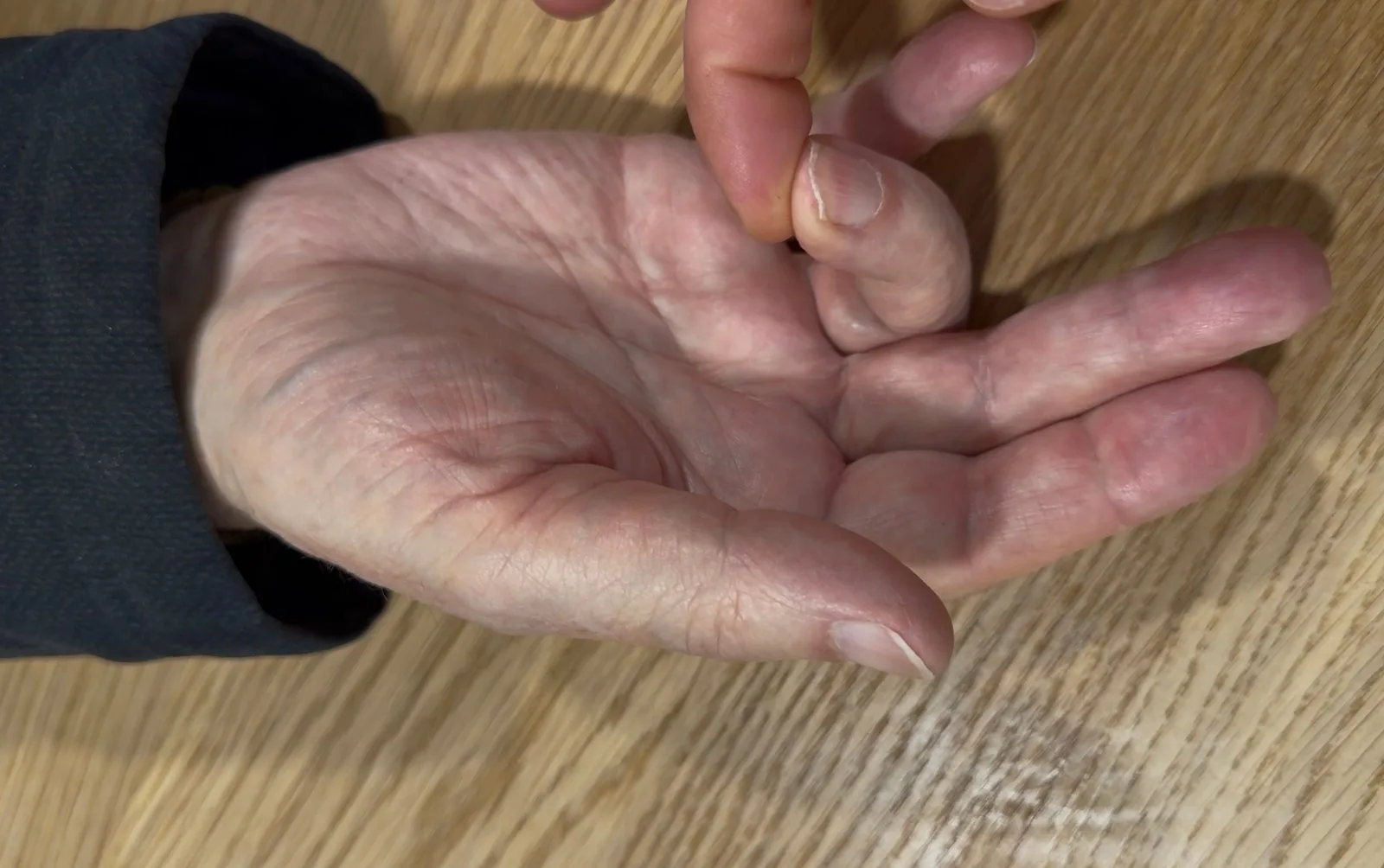
Explosive Trigger Finger Dr Kilinc

Example of a right middle trigger finger - Explosive form stage 3 of Green's Trigger finger classification.

Causes and Risk Factors

Several factors may contribute to trigger finger:

  • •Repetitive gripping or squeezing movements.
  • •Diabetes (major risk factor).
  • •Rheumatoid arthritis or other inflammatory diseases.
  • •More common in women.
  • •Usually occurs between 40 and 60 years of age.
Locked trigger finger stage 4, extension impossible!

Locked trigger finger stage 4, extension impossible!

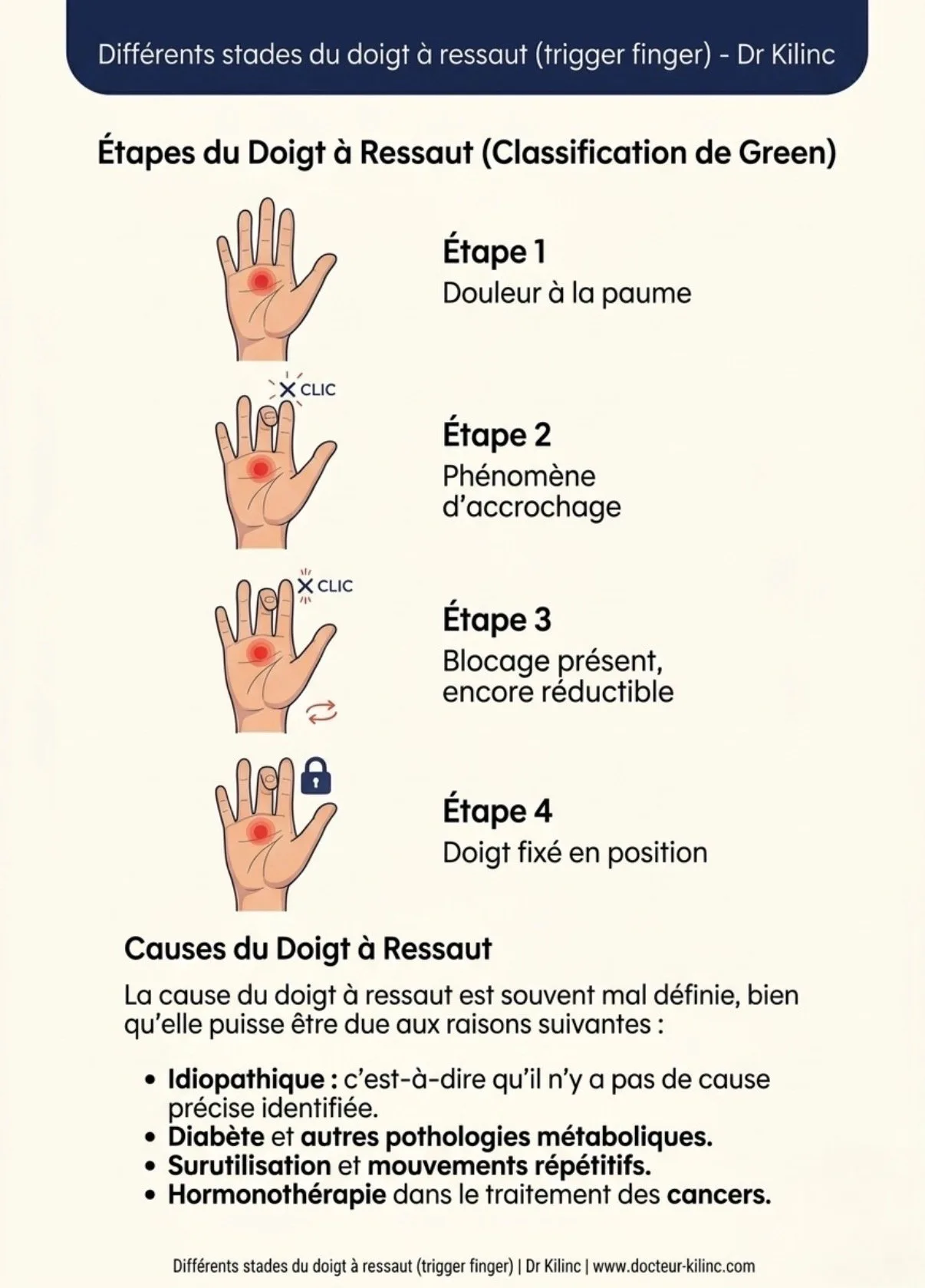
Green's Classification of Trigger Fingers (4 Stages)

Green's Classification of Trigger Fingers (4 Stages)

The link with Diabetes

Diabetes is one of the leading risk factors for developing trigger finger. Diabetic patients often present with more severe, multiple and bilateral forms.

Increased prevalence

Up to 20% of diabetic patients will develop a trigger finger during their lifetime, compared with around 2 to 3% in the general population.

Trigger Finger Prevalence

A striking contrast in risk between the general population and diabetic patients.

2-3%
General Population
VS
20%
Diabetic Patients

Pathophysiological mechanism

Chronic hyperglycaemia leads to non-enzymatic glycation of collagen proteins. This makes the tendon sheath thicker, stiffer and less elastic, promoting impingement against the A1 pulley.

Pathophysiological Mechanism

Chronic Hyperglycemia

Elevated blood sugar levels over time.

Protein Glycation

Sugar molecules bind to collagen proteins.

Sheath Thickening

Tendons become thicker and less elastic, causing friction.

Diabetic cheiroarthropathy

Trigger finger often forms part of the broader picture of diabetic cheiroarthropathy (diabetic stiff hand syndrome), which combines:

  • •Thick, waxy skin.
  • •Joint stiffness limiting full finger extension ("prayer sign").
  • •Multiple trigger fingers.
  • •Carpal tunnel syndrome.
  • •Dupuytren's disease.

The presence of these signs often correlates with diabetes duration and microvascular complications (retinopathy, nephropathy).

Features of Diabetic Chiroarthropathy

Skin Changes

Thick, waxy skin on the back of the hands.

Stiffness & Rigidity

Limited joint mobility, especially in extension.

Multiple Fingers

Often affects several fingers simultaneously.

Carpal Tunnel

Higher association with median nerve compression.

Dupuytren's

Increased risk of palmar fascia thickening.

Clinical features in diabetic patients

More Severe Forms

Trigger fingers in diabetics are often more rigid and painful, with a higher risk of permanent joint stiffness (flexion contracture).

Multiple & Bilateral

It is common to see several fingers affected simultaneously or successively, often on both hands.

Lower Injection Efficacy

Corticosteroid injections are less effective (about 50% success rate vs 70-80% in non-diabetics) and the recurrence rate is higher.

Blood Sugar Monitoring

Corticosteroid injections can cause a temporary spike in blood sugar levels for 2 to 5 days, requiring close monitoring.

Diagnosis

Diagnosis is essentially clinical. The clinician palpates a tender nodule at the base of the finger, which moves with the tendon during flexion/extension. The triggering is often reproducible on examination.

Symptoms

Locking and triggering

Catching or locking sensation when extending the finger, sometimes requiring help from the other hand to release it.

Pain

Pain at the base of the finger, occasionally radiating into the palm or along the finger, particularly on waking.

Palpable nodule

A small, firm, tender lump at the base of the finger on the palmar aspect.

Stiffness

Morning finger stiffness, gradually improving with activity.

Inflammation and swelling of the flexor tendon conflicting with the first pulley (A1 pulley which is then thickened).

Treatments

Conservative treatment

  • •Rest and avoidance of triggering activities.
  • •Wearing a night-time splint to keep the finger in extension.
  • •Oral or topical non-steroidal anti-inflammatory drugs (NSAIDs).
  • •Corticosteroid injection in the tendon sheath (highly effective, but to be used cautiously in diabetic patients).

Surgical treatment

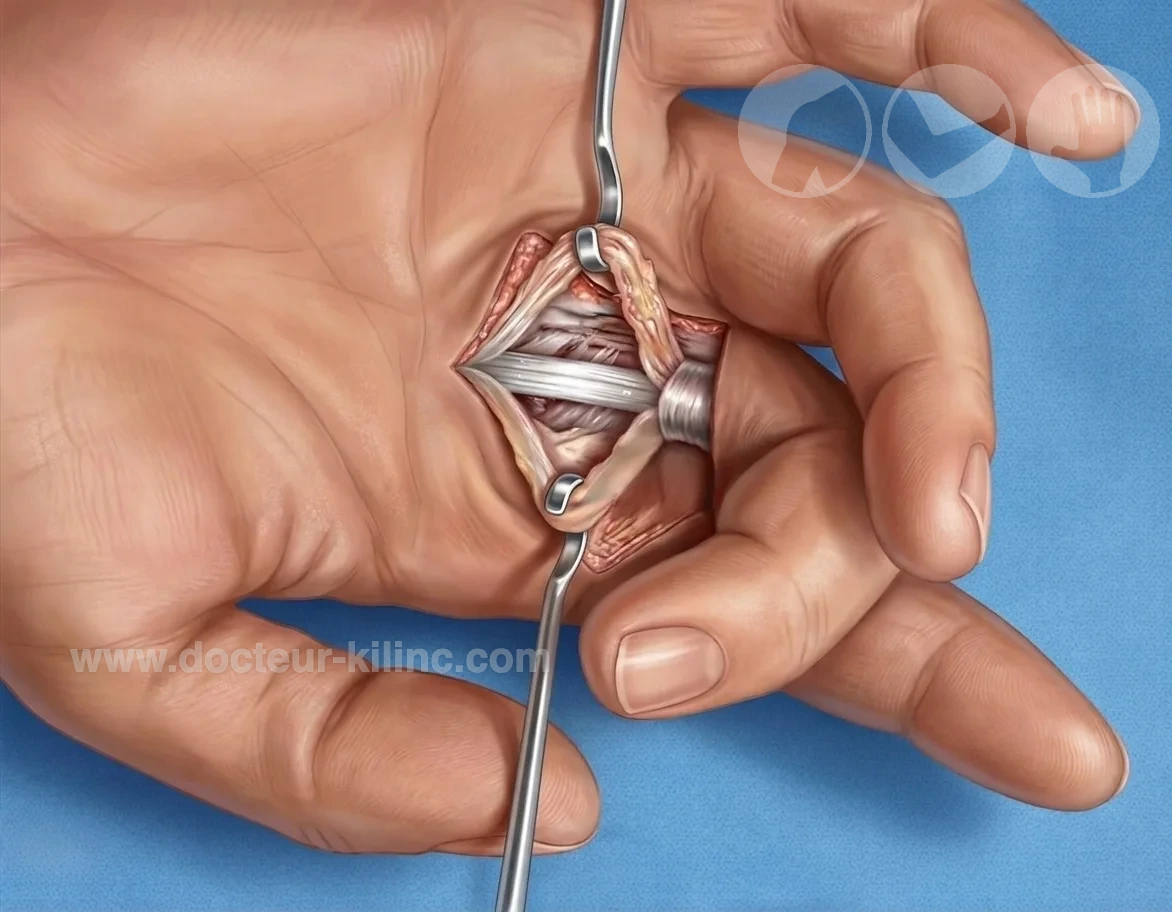
If conservative treatment fails or the finger remains locked, surgery is offered. It consists of dividing the A1 pulley to release the tendon.

  • • Short procedure (10-15 min) under local anaesthesia.
  • • Rapid recovery of mobility.
  • • Very high success rate; recurrence is exceptional.

After the operation

Finger mobilisation starts as soon as the anaesthesia has worn off. Stitches are removed between day 12 and day 15, and a surgical follow-up visit takes place around the second week. The exercise programme is detailed on the page Auto-rééducation après opération du doigt à ressaut (in French), on docteur-kilinc.com.

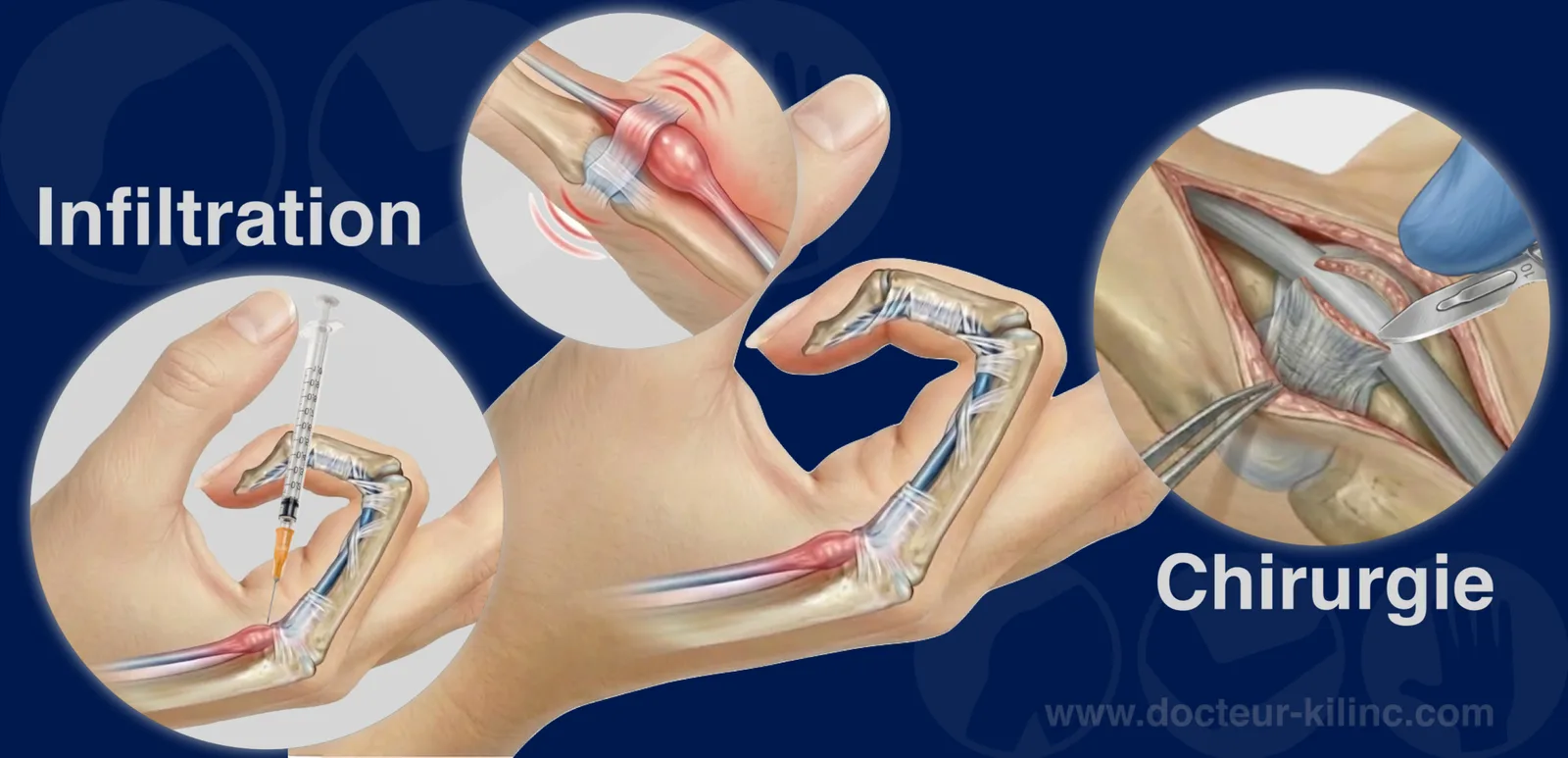
Management of trigger fingers - Injection and surgery Dr Kilinc

Management of trigger fingers - Injection and surgery Dr Kilinc

The USSR Technique

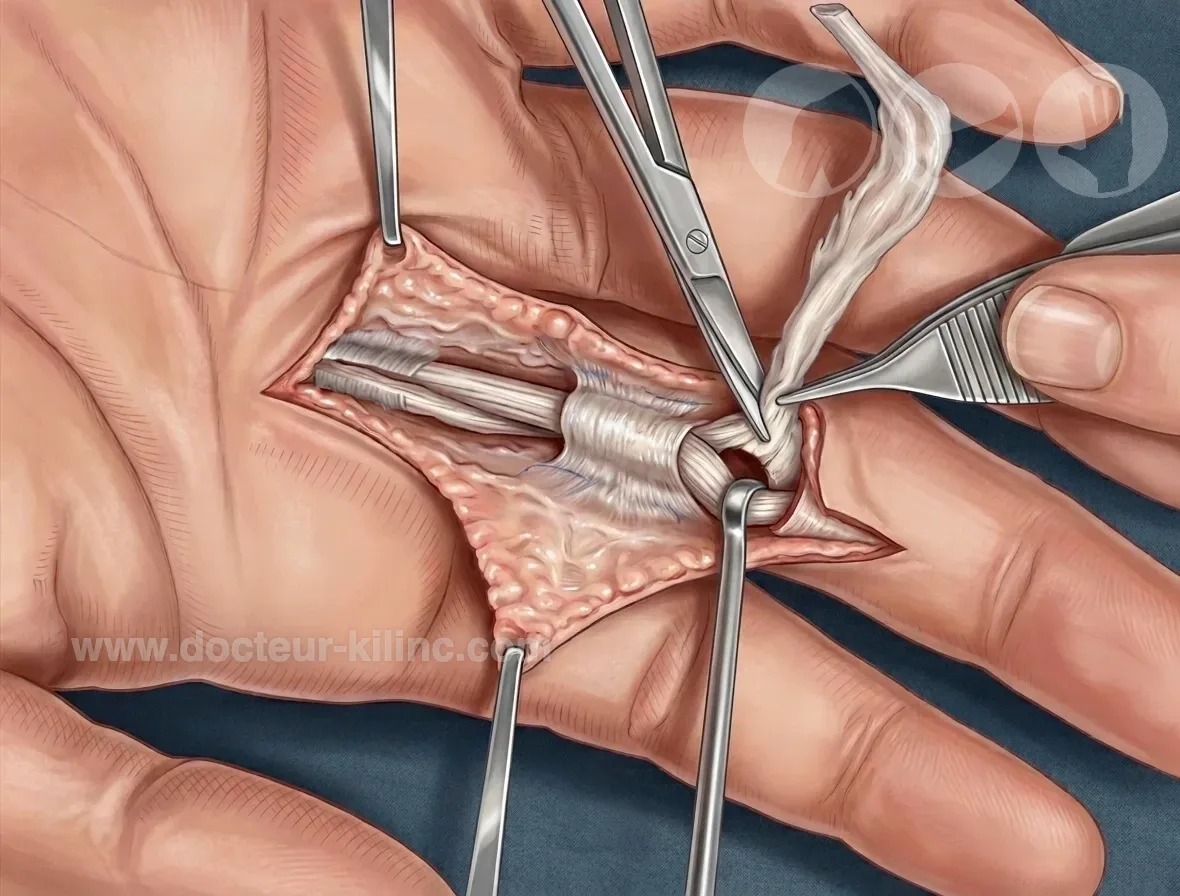
In case of persistent flexion contracture (fingers remaining semi-flexed despite pulley release), the USSR (Ulnar Superficialis Slip Resection) technique is often necessary. This complementary surgical technique consists of selectively thinning the superficial flexor tendon by partially resecting the ulnar slip of the FDS (flexor digitorum superficialis). This partial resection reduces the tendon volume and facilitates its gliding under the A1 pulley, allowing full extension of the finger.

The indication for USSR is generally considered during the first intervention if the flexion contracture is predictable (history of prolonged locking, pre-existing stiffness), or secondarily if stiffness persists after simple pulley release. This technique, although more invasive, offers excellent functional results and allows for the recovery of full finger mobility.

J Hand Surg Br. 2004 Trigger finger treatment by ulnar superficialis slip resection (U.S.S.R.); D Le Viet ; J Hand Surg Br. 2004

Two Surgical Approaches for USSR
Cleavage of FCS Bands
Resection of Pathological Ulnar Band

Prognosis and outcome

The prognosis is generally excellent after surgical treatment. Full recovery of mobility is the rule, although mild stiffness may persist for a few weeks, sometimes requiring hand therapy sessions.

Dr Alexandre Kilinc — Carpal Tunnel Specialist

Dr Alexandre KILINC

Hand & Upper Limb Surgeon

20+

Years of experience

99%

Day-case & video-surgery

SFCMSOFCOTSECECAAOSPresident, Réseau Prévention Main Île-de-France (Paris-region hand care network)Scientific Committee — French Carpal Tunnel Registry

Orthopaedic & Hand Surgery

Dr Alexandre Kilinc — orthopaedic surgeon, qualified in orthopaedic and trauma surgery (RPPS 10100025286). Practice dedicated to the upper limb for 20 years. Member of the scientific committee of the French National Carpal Tunnel Registry. President of the Île-de-France Hand Prevention Network. Co-founding member of SOS Main Quincy (2012).

Experience

Mostly minimally invasive carpal tunnel surgery · Day-case surgery · Regional anaesthesia · Paris Jouvenet 16 and SOS Main Quincy

Activity

Orthopaedic surgery, SOS Main and microsurgery of the hand. Mostly minimally invasive techniques (endoscopic, ultrasound-guided) · Day-case surgery · Regional anaesthesia.

Authority

Fellowship at Columbia University NYC · ALPS Shoulder Institute · University teacher (DIU) · Former Chef de clinique at CHU Saint-Antoine

Trustworthiness

Systematic nerve conduction study (EMG) before surgery · Informed consent · Structured post-operative follow-up · Verified Doctolib reviews